


Dropshipping is an innovative e-commerce business model that completely eliminates the need to maintain physical inventory. In this system, instead of storing products in their own warehouse, the retailer purchases the item from a third-party supplier only after a customer places an order. The supplier then ships the product directly to the end consumer. Throughout this process, the retailer does not handle the physical logistics, packaging, or warehousing of the goods. Instead, their primary focus remains on marketing, customer relationship management, and digital store optimization.
The operational mechanism of the system is straightforward yet demands disciplined management. The process begins when a customer visits your e-commerce store, places an order, and completes the payment. The order details and delivery address are then forwarded to the supplier, either automatically or manually. The supplier prepares the product from their own warehouse, packages it, and ships it directly to the customer on your behalf. The price difference—the amount you collect from the customer minus the cost of the product paid to the supplier—constitutes your profit. This model minimizes financial burdens such as high warehouse rents, inventory costs, and unsold stock risks associated with traditional retail.
To ensure the sustainability of your dropshipping model, a robust digital foundation is absolutely critical. You need powerful software to deliver a seamless shopping experience, provide secure payment methods, and project a professional brand image. At this point, our professional e-commerce software solution enables you to design your business's digital storefront perfectly and manage your order workflows with ultimate professionalism.
The most attractive aspect of the dropshipping model for entrepreneurs and existing businesses is that it can be launched with very low initial capital. While traditional commerce requires stocking thousands of dollars worth of inventory, renting warehouses, and hiring logistics personnel, almost all of these costs are eliminated in dropshipping. Instead of tying up your capital in physical assets, you can direct it entirely toward digital marketing, brand awareness, and optimizing the user experience. This significantly minimizes financial risks, especially for beginners.
Another major advantage is location independence and operational flexibility. You can manage your e-commerce store from anywhere in the world with an internet connection. Because you are not bound to a physical storefront or warehouse, scaling your business or expanding into different international markets is remarkably easy. Furthermore, expanding or changing your product catalog is entirely effortless. By analyzing sales trends, you can remove a non-performing product from your store within seconds and replace it with a trending new category. Risks like running out of stock or holding depreciating inventory do not apply to this model.
Finally, scalability makes the dropshipping model truly unique. In a traditional store, when your sales double, your packaging, shipping, and customer service workloads double as well. In dropshipping, however, no matter how much your order volume increases, the bulk of the physical workload is handled by the supplier. You only ensure that incoming orders are forwarded accurately and that customer support processes run smoothly. This allows you to achieve rapid growth without running into operational bottlenecks.
Although it appears highly advantageous, the dropshipping business model carries its own set of serious challenges and risks. Foremost among these are low profit margins. Due to the low barrier to entry, there is intense competition in the market. Since many sellers offer identical or similar products, price wars are inevitable. Combined with rising advertising costs, this can significantly drive down the net profit margins per sale. To survive, it is essential to build a value-oriented brand rather than focusing solely on being the cheapest option.
The lack of control over the supply chain is the weakest link in this model. Product quality, packaging care, and shipping speed are entirely at the mercy of the third-party supplier. Any mistake made by the supplier—such as incorrect shipments, delayed deliveries, or damaged products—directly damages your brand's reputation. The customer does not know the supplier behind the scenes; they only see your e-commerce website as the responsible party. Consequently, working with a low-quality supplier can leave you struggling with returns and completely losing customer trust.
Customer service management and return processes can also be operationally exhausting. When working with multiple suppliers, the lack of standardized return policies often leads to confusion. When a customer wants to return a product, the supplier's return acceptance process and shipping organization can take time. Adopting a professional, calm, and solution-oriented communication style while managing these processes is a critical requirement to maintain customer satisfaction.
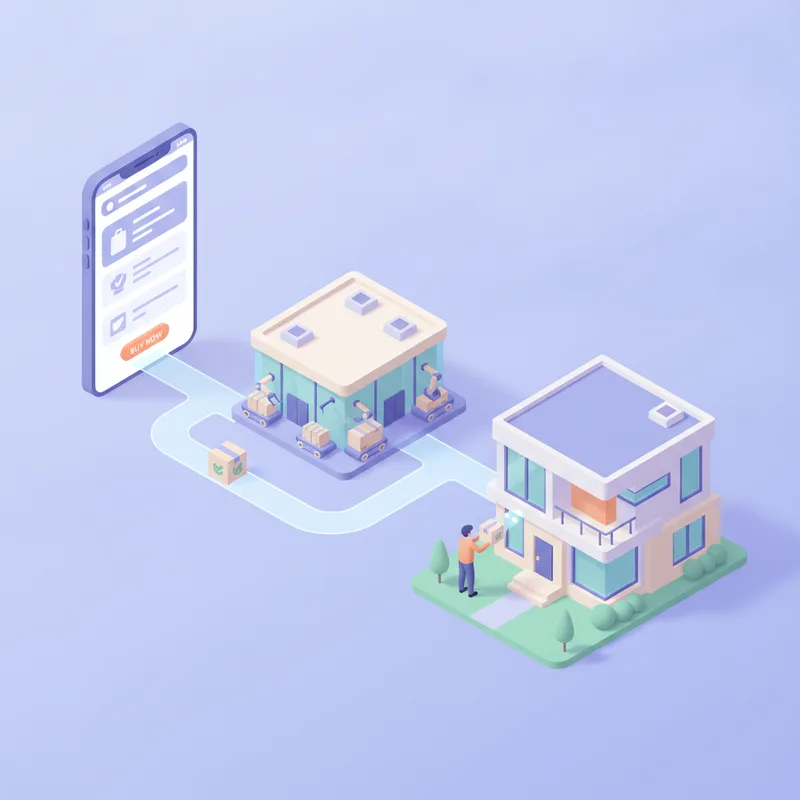
Stepping into the world of dropshipping without a clear plan often leads to rapid failure. To build a successful dropshipping business, you must follow specific stages systematically. The very first step is to conduct market research to identify the right product group and niche market. Rather than launching a generic store, targeting a specific niche with relatively lower competition dramatically increases your chances of success.
The second step is establishing the legal and financial infrastructure. To conduct e-commerce legally, you must establish a registered business entity. By setting up a sole proprietorship or a limited company, you can fulfill tax obligations, issue invoices, and integrate reliable payment gateways into your website. Following company setup, you should form agreements with reliable and highly disciplined suppliers that match your chosen niche. You must order samples to personally test product quality, shipping speeds, and communication responsiveness.
The third step is building a professional e-commerce website. This platform, where you showcase your products and where customers shop securely, is the heart of your business. Having a website that loads quickly, is fully responsive on mobile devices, and features a user-friendly interface directly impacts your conversion rates. To find the solution that best fits your needs in this process, you can explore our e-commerce packages page and make the right investment for your business. Once your site is ready, you can deploy digital marketing strategies to start reaching your target audience.
The most important key to dropshipping success is choosing the right product and the right market. Instead of entering saturated markets where everyone is selling the same popular items, you should focus on niche products that solve a specific problem or cater to a particular hobbyist group. For instance, instead of general home decor, selling only minimalist home office accessories narrows down your target audience, lowering your ad costs while boosting your conversion rates.
There are several essential criteria to consider when selecting products:
When conducting market research, you should analyze search engine trends, social media engagement, and industry analysis reports. Identifying daily problems that people struggle with and adding products that offer practical solutions to those problems will make it much easier to attract organic customers.
Supplier selection is the most critical decision that determines the fate of your brand in the dropshipping business. A supplier who sends low-quality products, delays shipments, or is inconsistent with inventory management can cause your business to fail, no matter how excellent your marketing is. You must not rush when searching for a reliable partner; instead, put candidate suppliers through a strict vetting process.
Key qualities to look for in an excellent supplier include:

Before partnering with suppliers, always place test orders acting as a regular customer. Personally experience how many days it takes for the product to arrive, the quality of the packaging, and whether the product matches the images. Furthermore, clarify how return processes work. Establishing a written agreement covering who pays for return shipping on defective items and how long refunds take will prevent future legal and financial disputes.
When starting dropshipping, many entrepreneurs initially consider opening a shop on third-party online marketplaces. However, selling on marketplaces is not sustainable in the long run due to high commission rates, brutal price competition, and strict platform rules. To build your own brand, gain direct ownership of customer data, and maximize your profitability, having an independent e-commerce website is a must.
When you build your own e-commerce site, you can fully optimize your website design, user experience, and checkout steps according to your unique strategy. You can connect directly with your customers, implement custom loyalty programs, and boost your sales through remarketing campaigns. Most importantly, the high commission fees you would otherwise pay to marketplaces remain in your pocket. At Uniesoft, we support you in scaling your brand on a professional foundation with our secure, fast, and SEO-friendly infrastructure solutions.
You may have found excellent products and built an amazing website; however, if you cannot drive traffic to your store, making sales is impossible. Dropshipping is 80% marketing. To succeed in this field, you must allocate your budget and energy wisely across the right channels. Digital marketing strategies are led by search engine optimization (SEO) and social media advertising.
Social media platforms are the most effective tools to showcase visually appealing products to your target audience. You can capture your audience's attention by creating short videos showing your products in use, user experience videos, and aesthetic imagery. At the same time, ranking high on search engines to drive organic traffic without spending ad budget is the key to long-term success. Optimizing product descriptions, producing high-quality blog content, and maintaining a strong technical SEO infrastructure on your site will give you a massive advantage in this process.
In e-commerce, even seconds matter. A slow-loading website, complicated checkout steps, or a design that is not mobile-responsive will cause potential customers to abandon your site instantly. In the dropshipping model, you must have a flawlessly operating technical infrastructure to win customer trust and successfully close sales.
A strong e-commerce infrastructure does not just mean fast-loading pages; it must also offer seamless integration of secure payment systems, easy category management, and flexible design possibilities. At Uniesoft, we stand as the greatest supporter of businesses in their digital transformation journeys. If you want to take firm steps in the dropshipping world and offer your customers an uninterrupted, secure shopping experience, you can meet Uniesoft e-commerce solutions today and carry your brand into the future.
Get in touch with our expert team for software solutions tailored to your needs.


 English
 Türkçe